
The Unique History of Betsy Ross
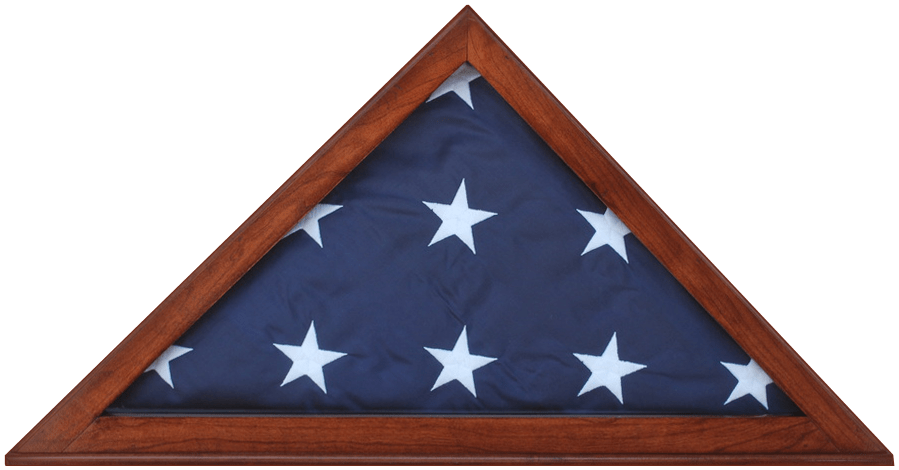
The story of Betsy Ross sewing the first American flag is one of the most enduring tales in American history. For generations, school children have learned about the Philadelphia seamstress who allegedly created stars and stripes at the request of George Washington himself. However, many may wonder, how much of this beloved story is historical fact, and how much is patriotic legend? Understanding the unique history of Betsy Ross provides a deeper appreciation for the symbol she helped create and the flags we display today in custom cases that honor American heritage.
Who Was Betsy Ross
Born Elizabeth Griscom on January 1, 1752, in Philadelphia, Pennsylvania, Betsy Ross was the eighth of seventeen children in a Quaker family. She received a basic education typical for girls of her era and was apprenticed to an upholsterer, where she learned sewing and craftsmanship skills that would serve her throughout her life. At age 21, she eloped with John Ross, an Anglican, which resulted in her expulsion from the Quaker community. This was a significant social consequence in colonial Philadelphia.
John Ross was an upholsterer like Betsy, and together they established their own upholstery business. Unfortunately, John died tragically in an explosion while guarding munitions during the Revolutionary War in 1776, leaving Betsy a widow at just 24 years old. Despite her devastating loss, she continued running the upholstery shop. She demonstrated independence and business acumen that would characterize her long life. She would marry two more times and have seven daughters, while maintaining her business for over fifty years.
The Famous Flag Story: Origins and Controversy
The tale of Betsy Ross creating the first American flag did not emerge publicly until 1870, nearly a century after the alleged event. William Canby, Betsy Ross’s grandson, presented a paper to the Historical Society of Pennsylvania claiming that his grandmother had sewn the first American flag in June of 1776. According to Canby’s account, George Washington, Robert Morris, and George Ross visited Betsy’s refurbishing shop with a rough design for a new national flag. It is believed that Betsy suggested changing the six-pointed stars to five-pointed stars, showing how she could cut them with a single snip of her scissors.
This story captured the American imagination as the country approached its centennial celebration in 1876, offering a compelling human element to the birth of a nation; a young widow contributing to American independence through her needle and thread. However, historians have not found any contemporary documentation supporting this specific account. There are no letters, diaries, or official records from 1776 that mention Betsy Ross in connection with the creation of the American flag.
What We Know for Certain
While the specific story of the first flag remains unverified, historical records confirm several facts about Betsy Ross and her work. She was indeed a professional flag maker who created flags for the Pennsylvania Navy during the Revolutionary War. There is documentation showing payments to “Elizabeth Ross” for ship colors and flags in May 1777. This makes her one of several flag makers working during the Revolutionary period, though perhaps not the singular creator.
We do know that Betsy Ross was a skilled artisan running a successful business in revolutionary-era Philadelphia, which is perhaps more remarkable. As a woman in the 19th century, maintaining an upholstery and flag-making business through war, widowhood, and economic uncertainty demonstrated exceptional capability and resilience. She continued her business well into her seventies, a testament to her skill and reputation in the Philadelphia community.
The Evolution of the American Flag Design
Regardless of who created the first flag, the design itself evolved from various sources and influences. The Continental Colors, used by American forces before 1777, featured thirteen alternating red and white stripes with the British Union Jack in the canton. The stars and stripes emerged as colonists sought a flag that completely broke from British symbolism.
The Continental Congress passed the Flag Resolution on June 14, 1777, stating: “Resolved, That the flag of the thirteen United States be thirteen stripes, alternate red and white; that the union be thirteen stars, white in a blue field, representing a new constellation.” This resolution established the basic design but left many details unspecified, including star arrangement, stripe proportions, and exact shades of color. This flexibility allowed flag makers like Betsy Ross to exercise creativity within the basic framework.
Why the Betsy Ross Legend Endures
Betsy Ross’s story continues to live on, not because of its historical certainty, but what it represents. In an era when women’s contributions to American independence were often overlooked or minimized, the tale of Betsy Ross provided a female hero for the founding narrative. The image of a skilled craftswoman who used her talents to support the revolutionary cause resonates with generations of Americans who want to believe ordinary citizens helped with the birth of our nation.
Honoring the Flag Legacy Today
The truth is, whether or not Betsy Ross sewed the first American flag, she helped popularize proper display and preservation. At Crafted Cases NC in Charlotte, North Carolina, the tradition of craftsmanship that Betsy Ross exemplified continues through custom flag display cases. Founded by Mike Outten, a retired U.S. Air Force veteran with 26 years of service and over 40 years of woodworking experience, the company creates handcrafted displays that honor both historical flags and modern military burial flags.
Each custom case is built with the same attention to detail and pride in craftsmanship that characterized Betsy Ross’s own work. Backed by more than 4,000 satisfied customers and a flawless 5-star reputation spanning a decade, the company remains committed to delivering superior quality, honest pricing, and outstanding service. Crafted Cases provides timeless principles bridging the gap between today’s skilled woodworkers and America’s earliest flag craftspeople.
Displaying American Heritage
The flags displayed today, whether historical reproductions, Betsy Ross flags with their circle of thirteen stars, or modern burial flags presented at military funerals, deserve cases that match their significance. Custom wood display cases protect these symbols from dust, damage, and time while showcasing them prominently as reminders of American history and personal sacrifice.
Understanding the unique history of Betsy Ross, with all it mysteries and myths, helps to enrich our appreciation for the American flag. Whether you are displaying a historical flag, a military burial flag, or one that flew over a significant location, a quality display case ensures the symbol and the stories endure for generations to come.
Contact Crafted Cases in Charlotte, NC, today to create a custom display that honors your flag with the same craftsmanship and respect Betsy Ross brought to her work over two centuries ago.